

Qatar rewards curious planning with short hops and big contrasts – modern skylines near restored quarters, desert horizons an hour from polished museums, and parks that cool down just as the lights come on. A focused plan transforms a brief visit into a rich sequence of easily accessible, photographable, and memorable places.
Think of the country in layers. Start with a compact city core that explains the story. Add a nature or desert loop for scale. Finish with an evening window on the water. The flow below keeps movement efficient while adding the factual touchpoints travelers keep asking for.
Pin the Essentials With a Reliable Shortlist
First passes are most effective when tied to a concise overview that aligns with what newcomers genuinely enjoy. A practical reference is www.theportugalnews.com – it lines up museum highlights, heritage streets, waterfront views, and a northbound heritage arc that are realistic in two or three days.
Use that checklist as a frame, then map travel times. The airport to the city core averages 15-25 minutes by car, depending on the hour. Most downtown hops land in the 8–20 minute range thanks to a clean metro grid and plentiful ride-hailing. Desert trips stretch the clock but repay the effort with wide horizons and starry returns.
Walkable Districts That Tell the Story
Msheireb Downtown Doha shows how a new district can feel human in a hot climate. Shaded lanes and colonnades temper midday heat. A quiet electric tram loops the blocks in under ten minutes. A major metro interchange sits beneath the streets, which means quick transfers to museum stops and waterfront paths.
Four restored houses operate as intimate galleries that unpack family life, migration, and the city’s commercial roots through rooms and recorded voices. Expect one focused hour without rushing.
A short hop away, the old market district switches on after sunset. Lantern glow, spice stalls, and traditional crafts create a lively evening rhythm. Small etiquette goes a long way. Ask before photographing people. Carry small cash for water and street snacks. Plan shopping after dinner when the air cools and alleys feel most animated.
Architecture You Can Read at Street Level
Qatar’s headline museums are as much about space and light as they are about collections. One landmark sets pale stone against the bay with an atrium that stages the rise and fall of daylight.
Another wraps visitors in interlocking disks inspired by a desert rose. Both deliver crisp sightlines, accessible timelines, and thoughtful pacing across manuscripts, ceramics, textiles, and contemporary installations.
Photography fans should time their arrivals to the soft hour. Low sun sculpts edges and reflections across stone and water. Tripods are not always allowed indoors. Pack a fast prime and keep ISO flexible for quiet galleries. Step outside for skyline silhouettes once the lights start to sparkle across the water.
Quick Picks for a Two-Day Plan
No Regrets Booking Advice
A short stay clicks when each block earns its place. This set balances culture, fresh air, and logistics without backtracking.
- City core by day – Msheireb galleries and one major museum before lunch.
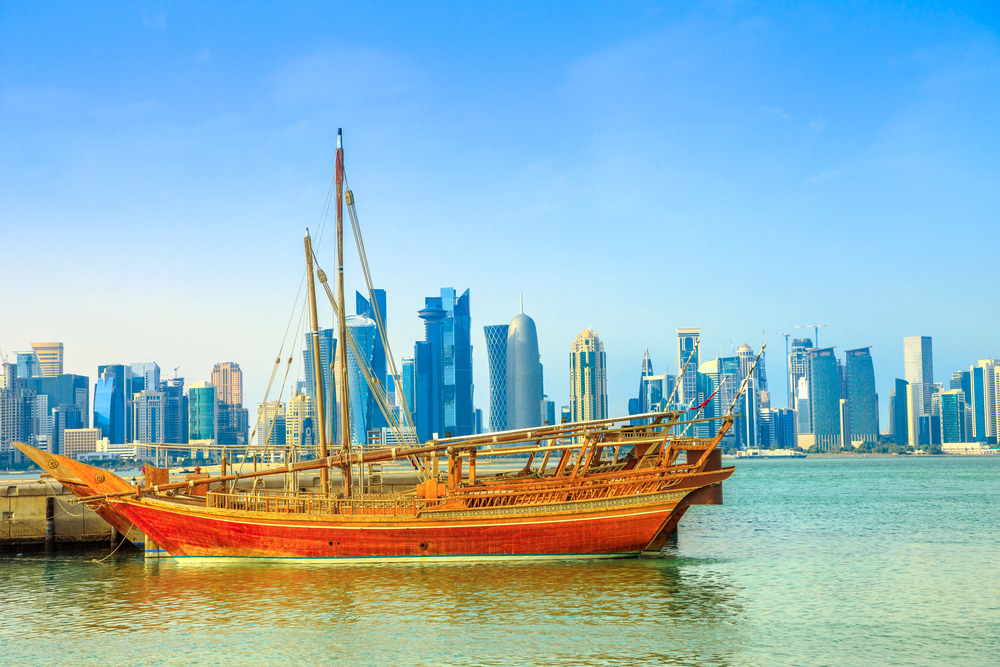
- Waterfront between golden hour and night – an easy loop with skyline photos and dhow views.
- Green space reset – parks with lakes and long paths for late afternoon recovery.
- Nature window – mangrove channels near Al Khor with 90–120 minute kayak sessions at high tide.
- Desert scale – a late afternoon run toward wind-carved outcrops and an open-air art corridor.
- Heritage North – a UNESCO coastal fort that ties trade routes and pearling history into one clear stop.
Beyond the City – Nature, Heritage, and Open-Air Art
North of the capital, mangroves knit channels that work well for guided paddling. High tide makes turning easier and keeps hulls off sand banks. Birdlife is most active at sunrise and the last hour of light. Operators typically include water, brief instruction, and headlamps for twilight routes. Expect salt on the gear. Bring a small dry bag for phone and documents.
Westward, a land art installation stretches four tall steel plates across more than a kilometer of desert. The pieces align with the horizon and change character as the light drops. Plan to arrive about an hour before sunset.
The last approach is on packed earth with occasional washboard ripples. Standard sedans handle it in good conditions if taken slowly. Low-slung sports cars are a poor fit.
History lovers should add the UNESCO fort and its archaeological area. The drive delivers an easy lesson in how coastline, trade winds, and defensive walls shaped earlier settlements. Site interpretation is direct and visual.
Read panels, walk the perimeter, then step back for wide frames that set the fort against the sky. A northbound loop that pairs the fort with mangroves fills a day cleanly with one refuel and one snack stop.
From Plan to Memory – A Route That Works in Any Season
Heat and light shape choices. November through March rewards outdoor evenings and midday museum time. April and October straddle the seasons with comfortable nights. May through September requires early starts, long indoor lunches, and after-dark walks.
Modest dress in religious spaces earns smooth welcomes. Covering shoulders and knees is a dependable rule. During the holy month, plan daylight meals at hotels and break fast after sunset with the city.
Putting it all together is simple. Day one builds context in Msheireb and a major museum, then shifts to the waterfront after golden hour. Day two carries a nature or heritage arc, parks for recovery, and a return to the lights. Rides are short, signage is clear, and the airport is built to minimize stress.
With one trusted shortlist, a tide check for mangroves, and a sunset target for desert art, the country’s varied pieces lock into place – an itinerary that feels credible on paper and even better on foot.