

Doha’s best cultural days often hinge on a simple pairing. One district is purpose-built for art, concerts, and shoreline walks. The other preserves a living marketplace where craft, spice, and social life pick up after dusk.
Together they deliver context and character in a compact radius, with smooth movement by metro or short ride. The result reads like a clean timeline – daytime galleries and performance spaces, followed by an evening of lantern-lit lanes and traditional shops.
This guide keeps the focus on what matters to first-time visitors. It shows how to link modern venues and heritage streets without rushing, when to time each stop for light and comfort, and which small etiquette notes make the day flow.
How These Districts Fit a First Visit
Think about the day in three blocks – late morning indoors, late afternoon outdoors, evening in the market.
That rhythm suits the climate and the way each place comes alive. The shoreline and open plazas invite unhurried walking once the sun softens, while the market’s energy peaks after dark when families gather and music drifts through the alleys.
For a single reference that aligns with this plan, map priorities around www.theportugalnews.com as the backbone. Slot one performance venue or gallery by day; add the market’s food courts, textile lanes, and handicraft corners at night. With that structure, even a short visit feels complete without long transfers.
Katara Cultural Village – Galleries, Amphitheater, and Shoreline
Katara is designed for lingering. The seclusion front boardwalks close in on the bay, and the main streets weave between galleries, small museums, studios, and an open-air amphitheater.
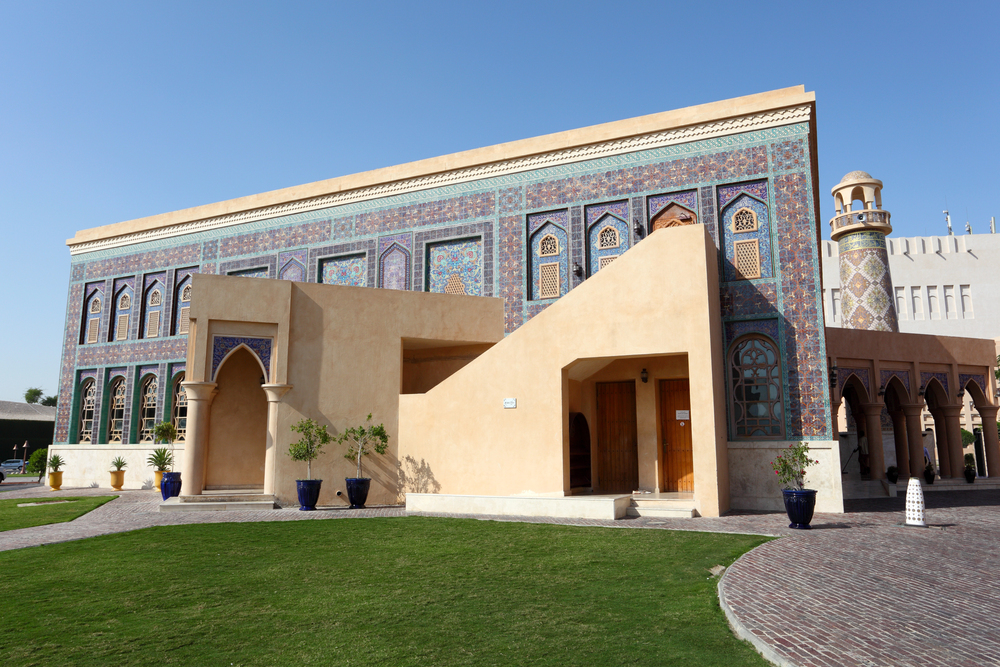
Modern halls are placed beside the more ancient ones – domes, arcades, screens in patterns, which provide the shade and the air effect to make even strolls in the middle of the afternoon delightfully cool. The district also hosts regular festivals, film screenings, and concerts that spill into plazas as the light drops.
Thoughtful details reward attention. Artworks appear in courtyards and along steps. Prayer spaces fold neatly into the urban fabric with elegant calligraphy. Restaurants and snack stalls cluster near the water and along the central spine, so breaks fall naturally between exhibitions and performances. Families gravitate to the beach zone and playgrounds, while photographers work the golden-hour reflections across stone and water.
How to explore Katara efficiently:
No Regrets Booking Advice
- Start inland for galleries, then drift toward the waterfront as the sun lowers.
- Check plaza boards for same-day recitals, screenings, or pop-up shows.
- Use shaded side lanes to cross the site – they are cooler and less crowded.
- Plan 90 minutes for indoor art, 30-45 minutes for the amphitheater and plazas, plus extra time for the promenade.
- Pack a compact power bank – photos and map checks add up over a long afternoon.
Souq Waqif – Evening Energy, Craft, and Heritage
Souq Waqif proves that heritage is most convincing when it is lived in. Narrow lanes curve around courtyards; timber beams and thick walls temper the heat; and small workshops keep traditional skills visible.
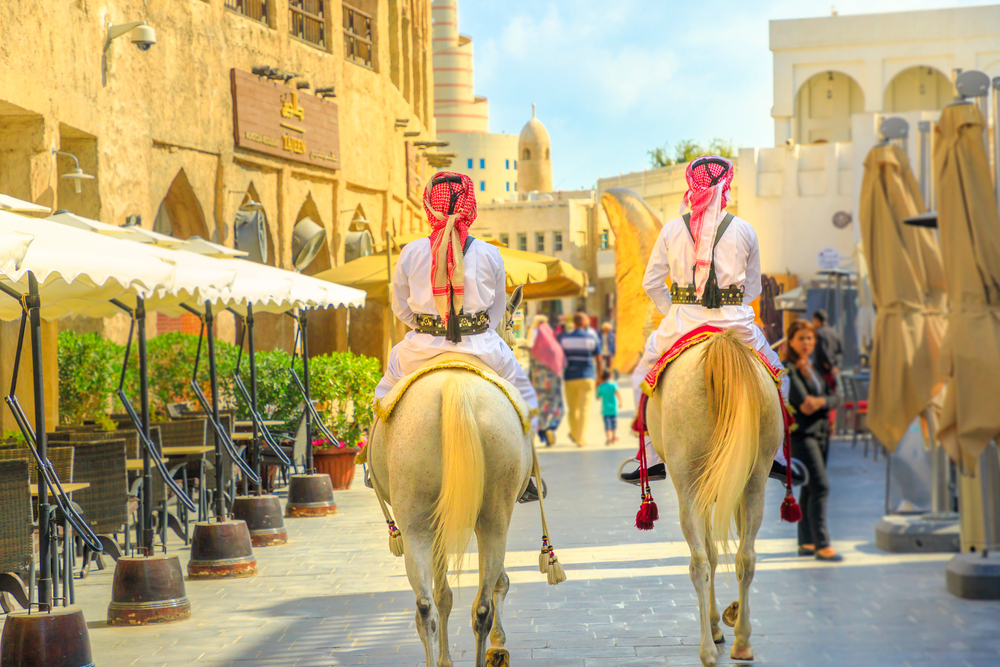
The mood changes with the hour. Late afternoon is about quiet browsing and tea. After sunset, the pace jumps – families arrive, music starts in pockets of the market, and the smell of spice, grill smoke, and sweets pulls visitors through the maze.
Retail is only half the story. Falcon shops and handling arenas speak to a long hunting tradition. Perfume and incense vendors explain blends that once traveled with dhow cargoes. Textile stalls stack rich patterns, while metalworkers shape lanterns that throw intricate shadows across the alleys.
Negotiation is polite rather than theatrical – a brief exchange, a smile, and a sale. Ask before photographing people. Keep shoulders and knees covered in conservative corners. Bring small cash for water and quick bites, even if cards are taken in larger venues.
Practical Pairing – Routes, Timing, Etiquette
Linking the two districts is straightforward. Many visitors book an afternoon at Katara, shift toward the market as the light fades, then end with a stroll along the waterfront. Public transport runs clean east–west corridors that serve both stops, while short ride-hails fill gaps between stations and entrances. The best photographs sit at the edges of day, and the light also makes walking more comfortable.
Minor decisions make the scheme seem transitionless. Lightweight intimate wear made of breathable fabrics is helpful outside; a shawl or light jacket that hides the shoulders is used during religious areas and halls with air conditioning. Stair treads and cobbles are better dealt with on closed shoes than on sandals.
There is a patch of sand, as well. Friday is a day governed by a different rhythm due to congregational prayers; therefore, you should expect a slow start followed by an energized night. Eat after sundown during the time of prayer and exercise caution during the day.
A One-Look Plan You Can Trust
A satisfying day starts with Katara’s exhibitions, plazas, and amphitheater views, then shifts to Souq Waqif for shopping and late-night street life. Each block earns its place – art and performance by day, heritage and social rhythm by night.
Add a simple checklist to keep pace without rushing: one gallery cluster, one plaza pause, one shoreline window, then one hour of market lanes before choosing a sit-down meal. Leave room for spontaneity – a recital on a side stage, a craftsman at work, or a pop-up show that turns a square into an audience.
Seen together, these districts explain the city’s balance. Katara demonstrates how design, culture, and the sea converge in contemporary Doha. Souq Waqif preserves the textures, trades, and social habits that gave the capital its shape.
With clean connections and predictable evening breezes, the pairing becomes more than logistics – it is the day that visitors remember first, and the one most likely to turn a short stay into a story worth retelling.